Interior fit out defects liability period Dubai guide
The defects liability period is the window after handover when your fit out contractor has to come back and fix faults that snagging did not catch. In Dubai it comes from the contract you signed, not from a statute, so the clause wording decides what gets fixed, how fast, and who pays for it. Read it before you sign the handover, not after the first leak.
What a DLP is, and how it differs from snagging
Snagging closes out known items. You walk the space before handover, mark the misaligned joint and the scratched panel, and the contractor works through that list. The process ends when you take the keys.
The defects liability period starts where snagging stops. It covers what only appears once the building is in use. A ceiling grid that sags after the AC has run for a month. Doors that swell in the humidity. Silicone that lets go behind a wet area. A joint that opens as the slab settles. Joinery that was fine empty and moves once the office is at full occupancy.
Names vary. Some contracts say defects liability period, some say defects notification period, some fold it into a general warranty clause. The name matters less than the mechanics, so read the definition clause and the timetable attached to it.
On length, check your contract. Twelve months from handover is common practice for fit out works in Dubai, and MEP-heavy scopes sometimes run longer. Ask whether the period restarts when a component is replaced. Many do not restart, so a repair is covered only for the remainder of the original term.
Why the DLP is contractual, not statutory, in Dubai
There is no general law setting a defects liability period for a commercial interior fit out. What you have is the agreement you signed, the building's own management rules, and the contractor's goodwill once the money is released. The clause is the protection.
Five things to check in the wording. The definition of defect, which should be broad enough to catch water ingress and failing hardware, not just structural failure. The notification route, with a named person and a named address, and an amendment if that person has left the company. The response and rectification windows for acknowledgement, inspection and repair. The remedy, whether it is repair or replacement, and who pays for access and making good around the defect. And who can enforce it, because if the landlord signed the fit out contract and you are the tenant, the right may not be yours. A collateral warranty or an assignment fixes that, and it is far easier to arrange before handover than after. If you are still choosing who delivers the space, our interior fit out services in Dubai set out how we work.
What it should cover, and what it never covers
Workmanship and materials are the core. Failed waterproofing, unbalanced HVAC, dripping valves, flickering circuits, cracking at board joints, seals that let go, hardware that fails early.
Routine exclusions are just as standard. Consumables such as lamps, filters and batteries. Damage from misuse, overloading or the tenant's own cleaning chemicals. Alterations by other trades. Fair wear and tear. Anything recorded on the snag list as accepted, which is why you should not accept an item as cosmetic when it is a real defect.
Then there is the boundary, where a fault sits between the landlord's shell and core and your fit out. This is where most DLP arguments begin.
| Situation | Who normally carries it |
|---|---|
| Movement or cracking in the base build slab, columns or common risers | Landlord, under the building's own defects period |
| Water entering from the facade or roof | Landlord, unless the fit out broke the envelope |
| Ceiling, partition or joinery failure inside the demised area | Fit out contractor |
| Failure at the junction where fit out met base build | Contract wording, and the handover access records |
Two contracts, two clocks, one defect. Get both parties to inspect together and record the finding in writing before anyone picks up a tool. Whoever repairs first usually ends up owning the argument.
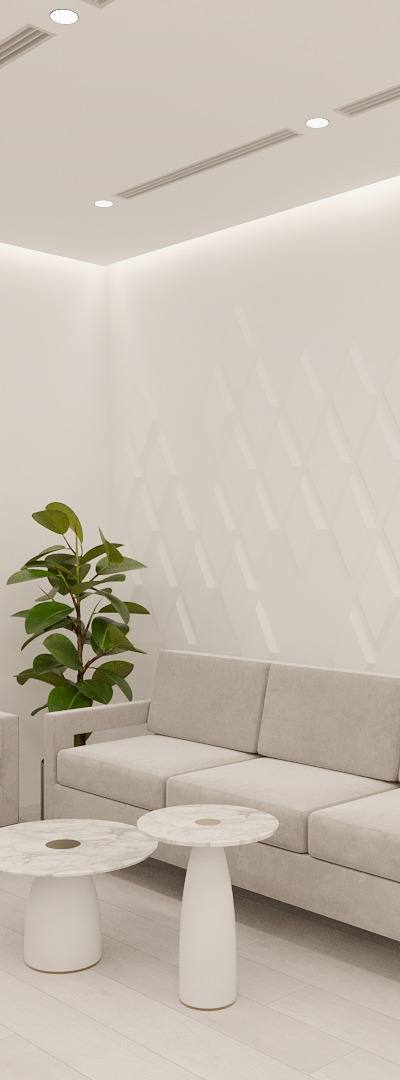
On the fit outs we deliver, reception and display walls concentrate lighting, power and cabinet work in one place, which makes them the first place to look when something stops working.
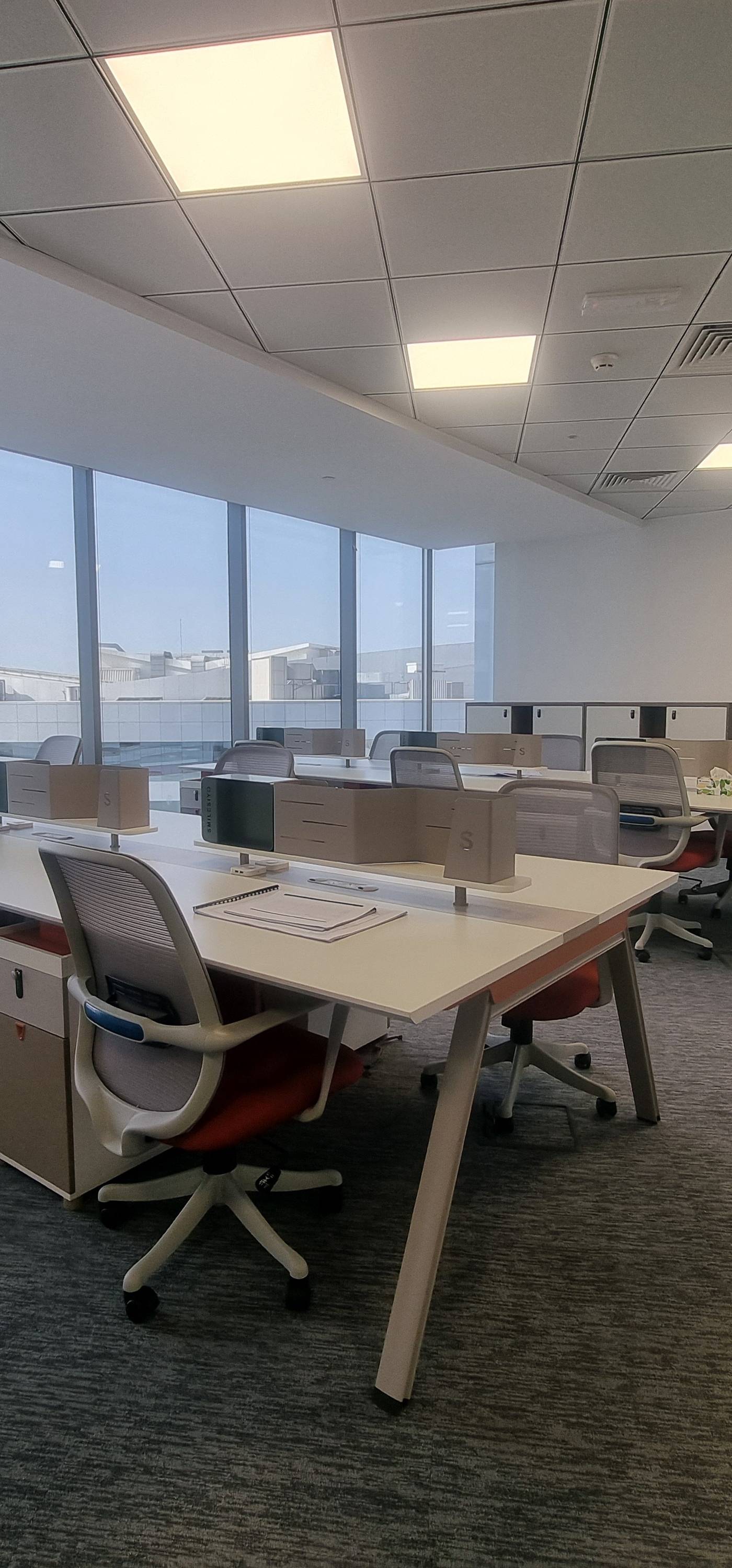
Workstation runs and glazing junctions take most of the wear in the first months after handover.
Closing the job so the DLP is enforceable
A defects period you cannot enforce is a promise. What you hold at fit out handover decides whether it works.
The handover pack should contain a signed handover certificate with a completion date, a snag list closed and signed off item by item, as-built drawings that match what is actually in the ceiling, O&M manuals with product data and supplier warranties, and testing and commissioning certificates for electrical, HVAC, water, fire alarm and fire stopping.
Money is the other half. Retention is held back from progress payments, typically part released at handover and the balance at the end of the defects period. A defects security or a defects liability bond can stand in place of cash. Staged release dates belong in the contract in writing, and the trigger should be a signed close-out, not the calendar quietly passing.
Dated photographs at handover are worth more than most people expect. Photograph every room, every ceiling void before it closes, and every riser. At month eight, the handover photograph is the difference between a repair and an argument.

Display walls bring lighting, power and joinery together in one place. Defects there are rarely one trade's problem.
How to raise a defect so it gets fixed
Written notice, one defect per numbered item. Location, date first seen, what it affects, and photographs at two distances: one showing where in the room it is, one close enough to see the failure. Reference the contract clause.
Send it to the contractual notice address. Send it on WhatsApp too, because site teams move fast, but the formal notice is the one that counts if the argument comes later.
Give the access the contract promises. Do not let another trade open up or patch the area before inspection, because that usually ends the claim. Keep a log with dates: notice sent, acknowledged, inspected, repaired, signed off. If the contract is silent on response windows, you are relying on goodwill rather than a right, and that gap is far easier to close at award stage than in month seven. There are more fit out guides for Dubai on our articles page if you are still at procurement stage.
If you are buying the fit out now, send the floor plan with dimensions, photos of the space, the building name, and whether it is shell and core or a refit. If you are already inside the defects period, send the same plus the handover date and the DLP clause from your contract. WhatsApp is the fastest way to get a first read on it, and you can talk to our fit out team there directly.
Frequently asked questions
How long is the defects liability period for a fit out in Dubai?
There is no fixed length set by law for interior fit outs, so the period is whatever your contract says. Twelve months from handover is common practice, and MEP-heavy scopes sometimes run longer. Check the definition clause and ask whether the clock restarts when a component is replaced.
Is the defects liability period the same as snagging?
No. Snagging is the pre-handover walk that closes out known items before you take the space. The defects liability period starts at handover and covers faults that only appear once the space is in use. Both matter, but only the second one runs for months.
Can I hold retention if the contractor refuses to fix a defect?
Retention and any defects security are your leverage, but the contract sets the release conditions, so read them before you withhold anything. Put the defect in writing first and follow the notice route. Deducting money without notice usually turns a repair into a dispute.
Does the DLP cover damage caused by my staff or another contractor?
Usually not. Misuse, overloading, cleaning chemicals and alterations by other trades are standard exclusions. Damage that follows another contractor's work is normally that contractor's responsibility. Report it anyway so the cause gets recorded while the evidence is fresh.
Who fixes a defect on the boundary between the landlord's base build and our fit out?
It depends where the failure started and what each contract says. Water entering from the facade is normally the landlord's, while ceiling or partition movement inside your area is normally the fit out contractor's. Get both parties to inspect together and record the finding before any repair starts.